
 Deutsch
 Français
 Español














Description
The weather balloon project for your STEM lessons
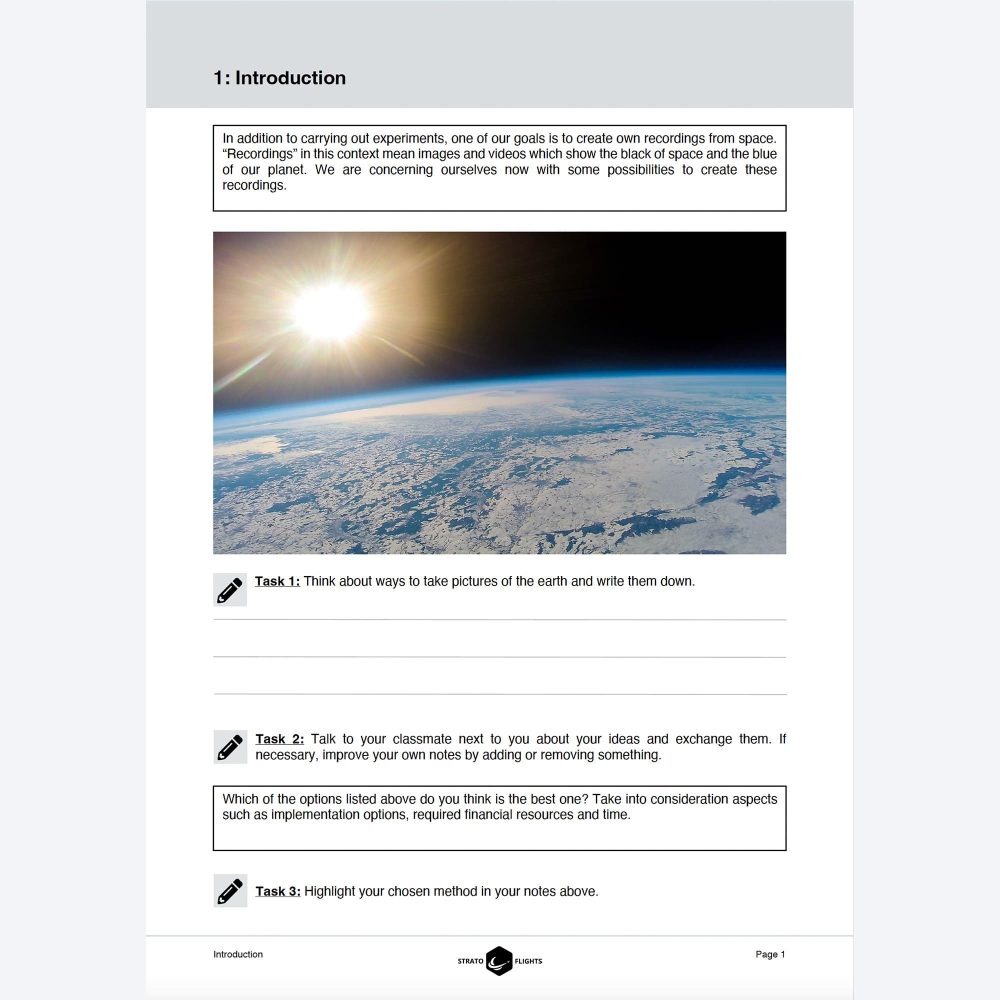
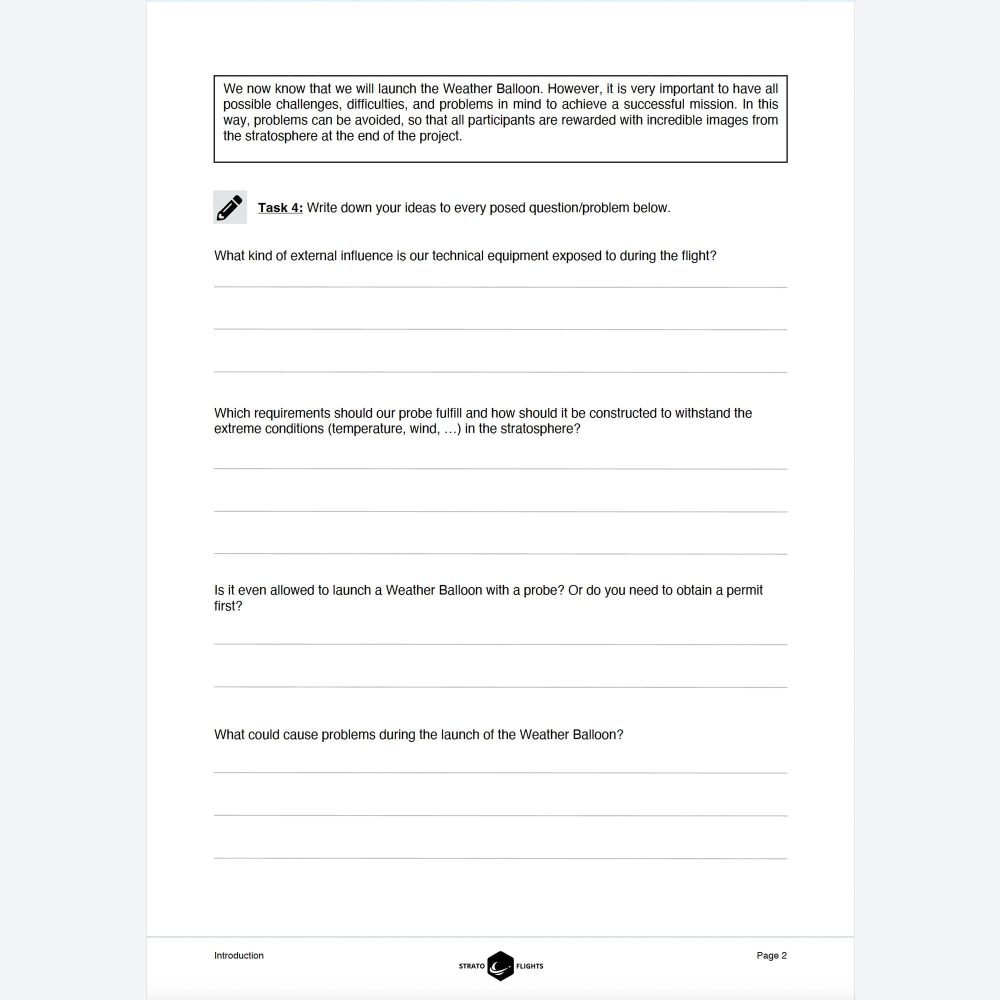
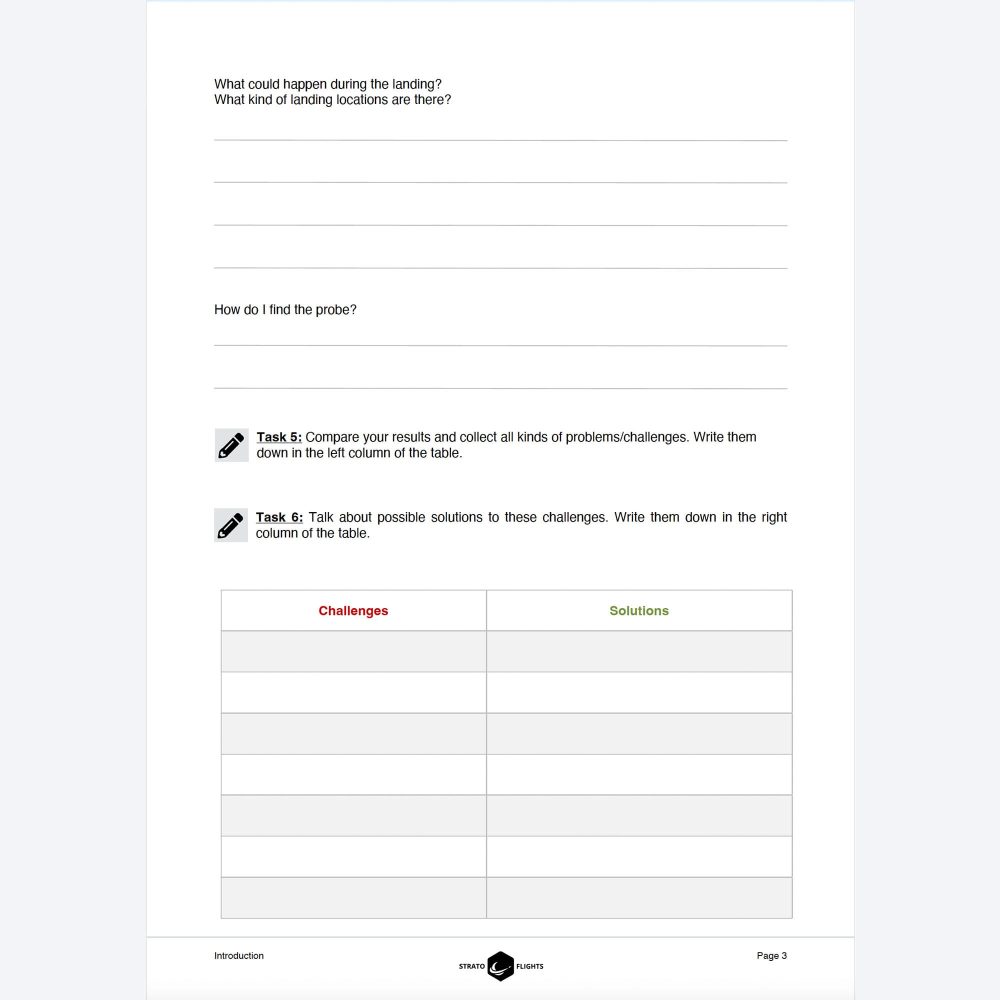
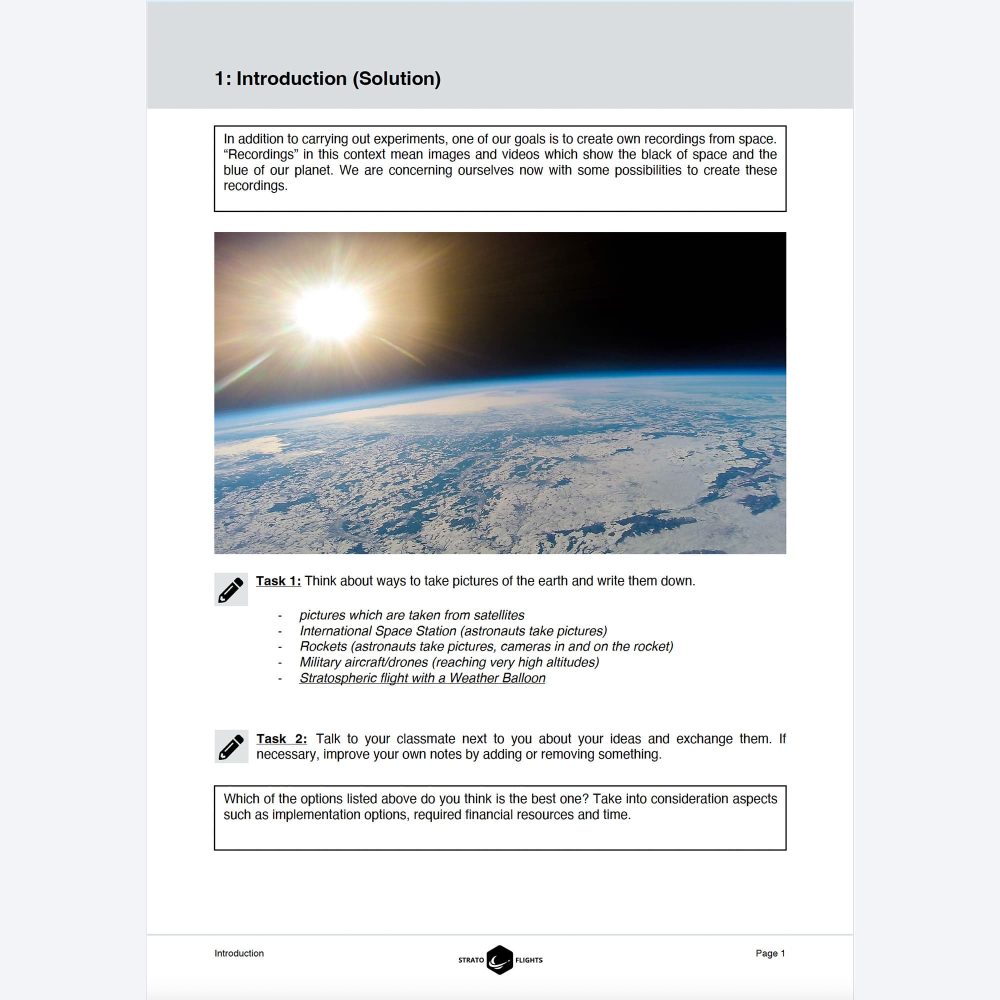
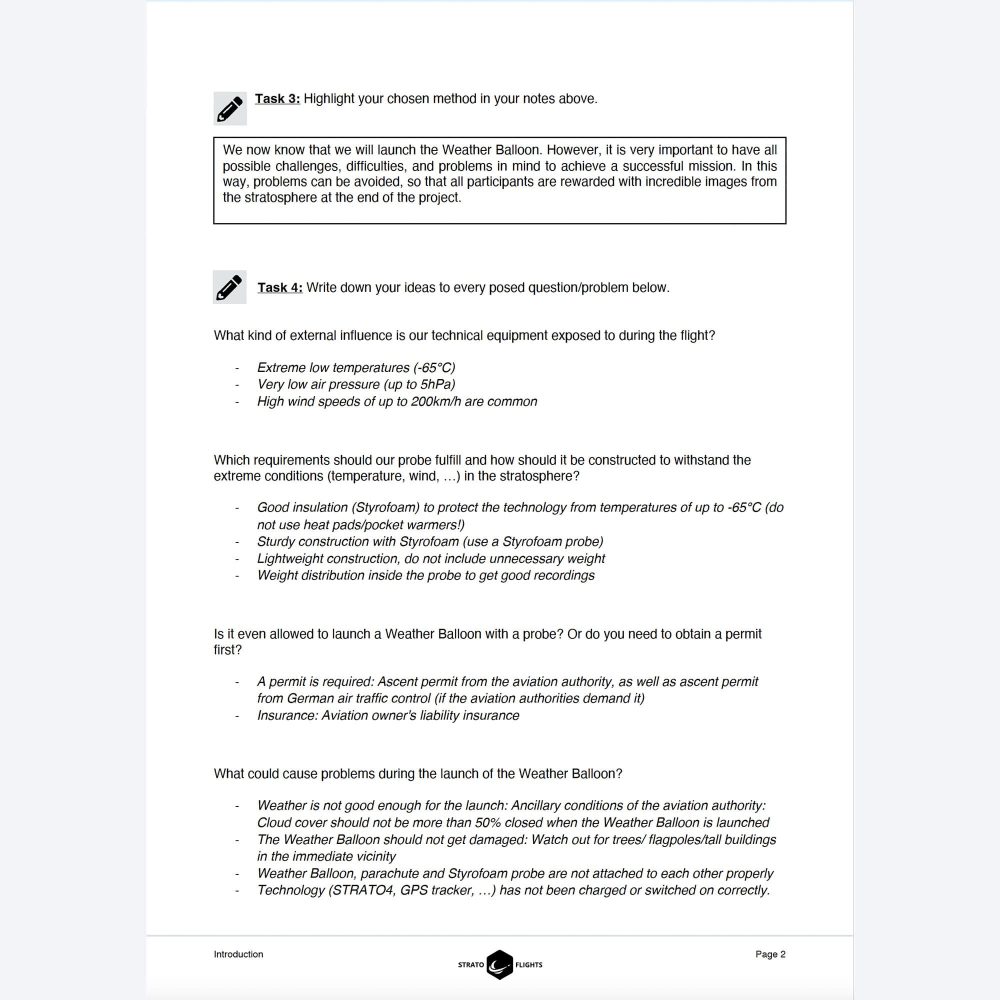
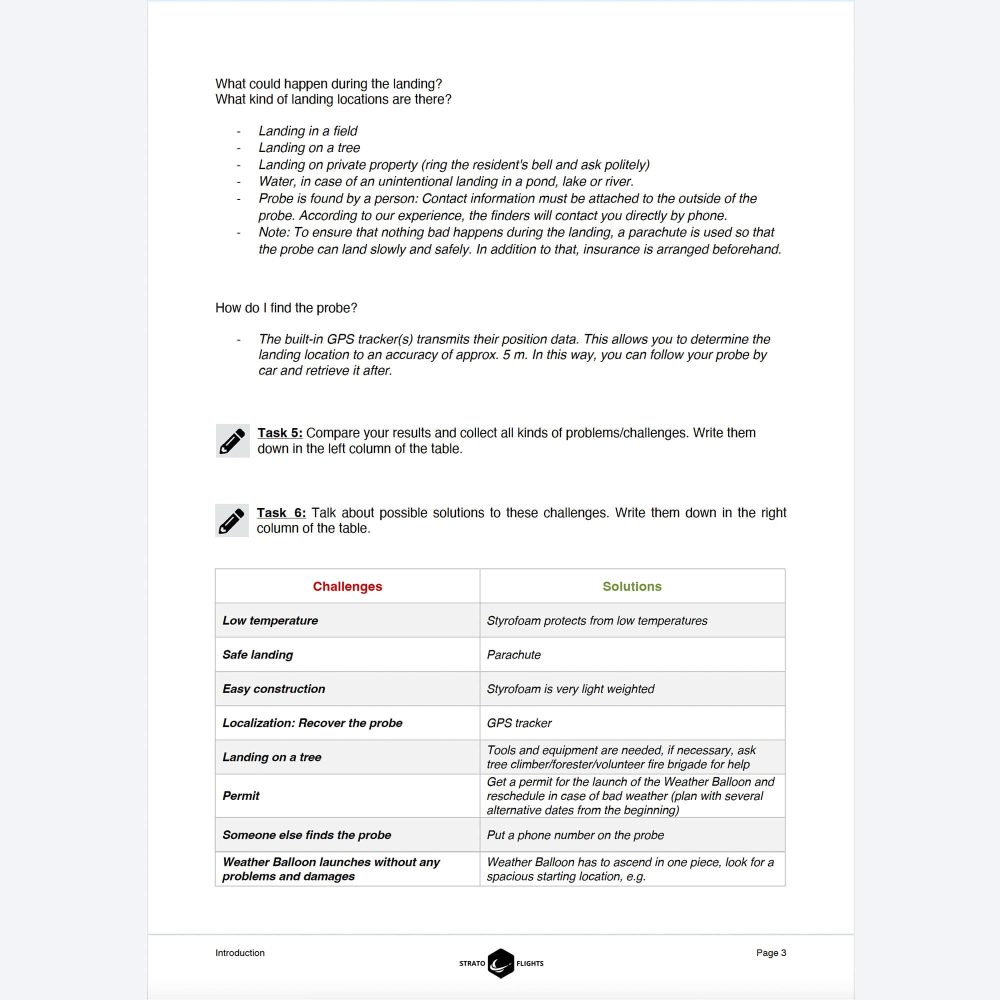
With the Teaching unit: Stratosphere Flight, you guide your class through a STEM school project at the edge of space. The didactic concept includes detailed lesson plans as well as worksheets and solution sheets for 12 double lessons and the flight day. Graphics, images, videos and tools support every unit. The teaching unit was developed over several months together with teachers.
It is suitable for all types of secondary schools and can be adapted to the age group and needs of your students, for ages 12 to 19. The project combines physics, computer science, chemistry, geography and biology, so it also works well as a cross-curricular project or a project week.
Support with organization and funding
The teaching unit prepares you for the project even before the first double lesson. A digital portal answers all organizational questions: from flight permission and insurance to time planning, the project proposal and the schedule for flight day. All goals and added values of the project are clearly presented for your school management, the press and potential sponsors.
Funding doesn’t have to be an obstacle either: the teaching unit shows you funding options covering up to 100% of the costs. Schools have, for example, already financed complete Weather Balloon Kits through applications to foundations. You’ll find more on this on our Funding page. How registering a weather balloon launch works in general is explained on our Registration & Insurance page.
Experiments for a real research flight
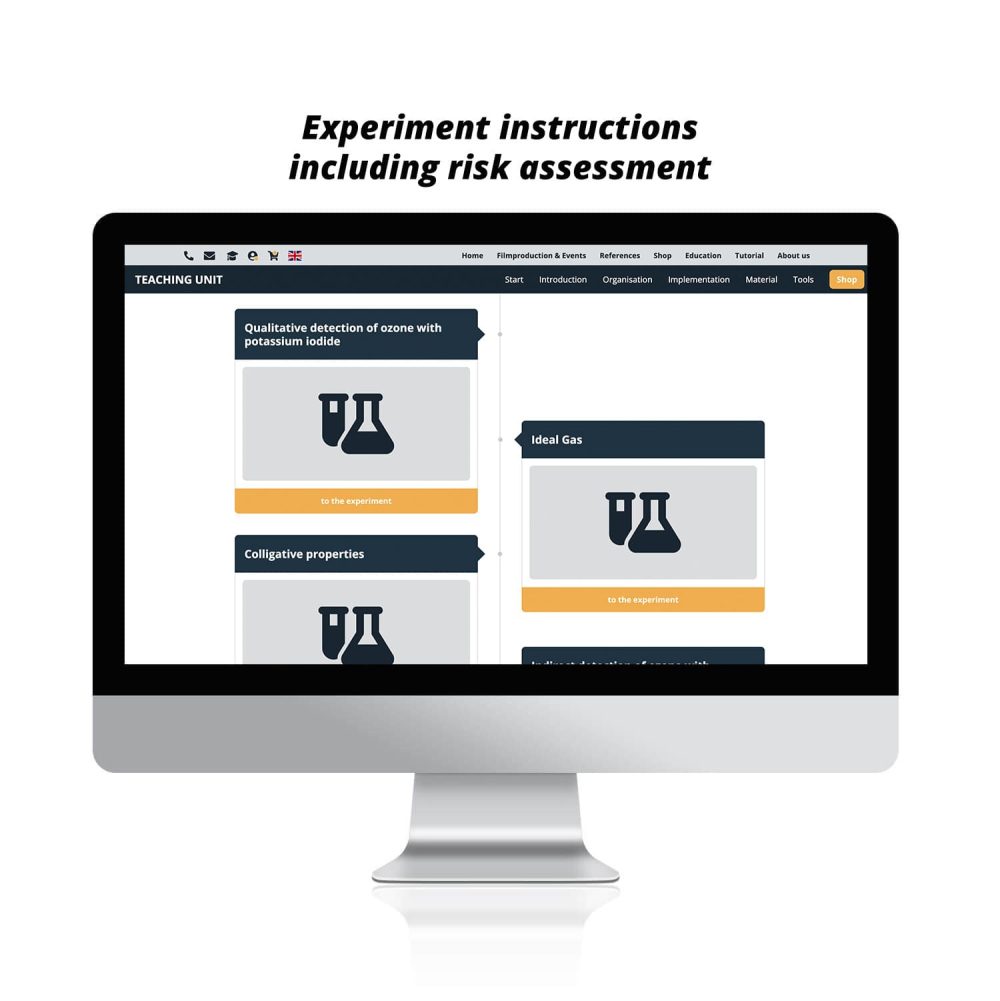
To turn the balloon launch into a real research flight, the teaching unit includes detailed experiment suggestions from various disciplines, each with step-by-step instructions and a risk assessment. The collection of experiments is continuously being expanded.
Structure of the teaching unit
The teaching unit is divided into 12 double lessons plus the flight day. Each unit comes with a didactic lesson plan as well as worksheets and solution sheets. The units lead from the physical fundamentals through building the probe and its technology to the launch and the evaluation of the measurement data.
- Introduction: getting started with the stratosphere project, including the goals and timeline of the mission
- Atmosphere: the layers of the Earth’s atmosphere, including the troposphere and stratosphere, and how temperature changes with altitude
- Probe construction: planning and designing the stratospheric probe
- Building the probe: building the polystyrene probe and installing the camera
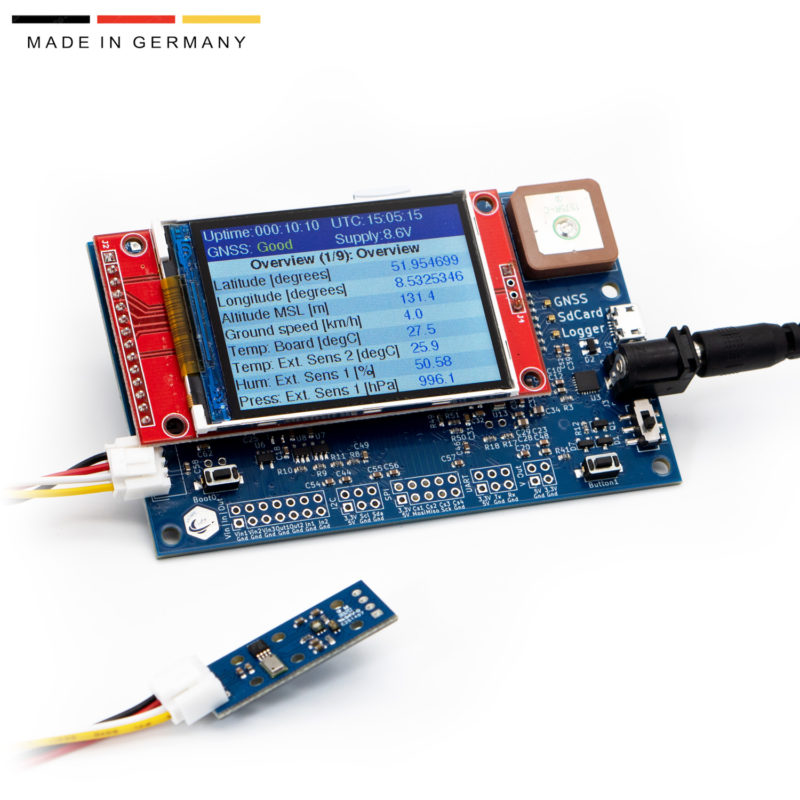
- Datalogger: how the datalogger works and how it records measurement data
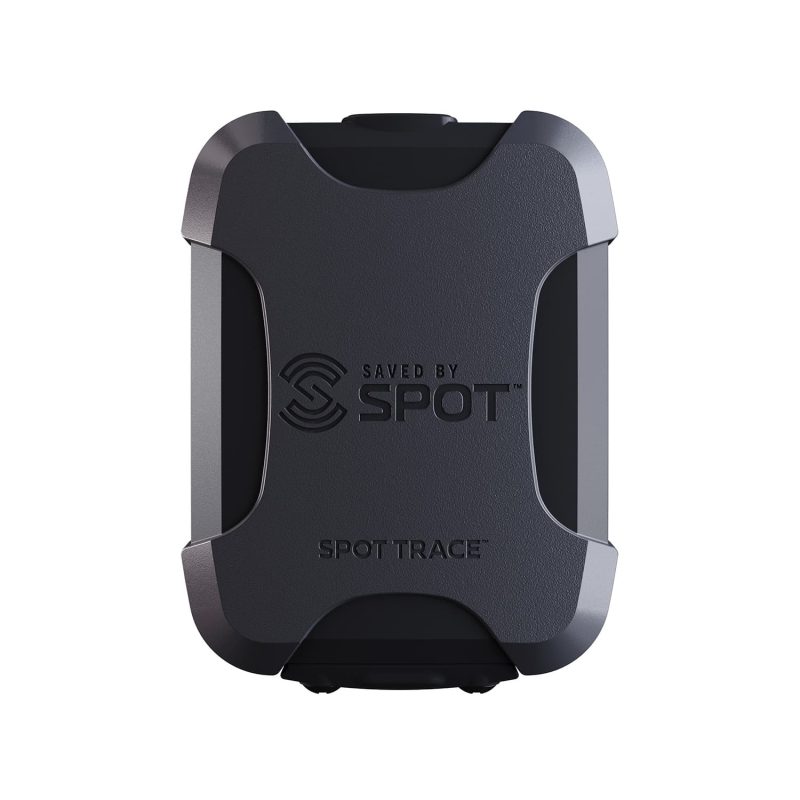
- Locating and calculating the flight path: the basics of GPS tracking and predicting the flight path
- GPS Tracker Game: a playful hands-on test of GPS tracking
- Buoyancy calculation: calculating the weight force and buoyancy of the helium-filled weather balloon
- Launch preparations: checklist and final preparations for flight day
- Weather balloon launch: flight day and the start of the mission
- Calculation of the maximum visibility: a geometric calculation of how far the probe can see from the stratosphere
- Measurement data evaluation: analyzing the recorded measurement data, such as the temperature curve during ascent, burst and landing
- The newspaper article: students report on their mission in their own article
You can find a detailed overview of all lessons on our Lessons page.
What you get after purchase
With your purchase, you receive online access in which all information, media and tools are clearly organized. You can download the worksheets as PDFs and as editable Word files and print only as many as your class needs. The almost 100-page guide “How to launch a Weather Balloon” is also included.
Note: After purchase, the “Teaching Unit” section will be activated in your Stratoflights account. There you’ll have access to the complete teaching materials and the weather balloon guide.
Features
- Interactive tool that guides you step by step through the entire stratosphere project
- All preparatory and organizational steps before the project starts: flight permission, insurance, funding, time planning and more
- Editable worksheets and solution sheets for 12 double lessons plus flight day (PDF and Word)
- Didactic lesson plans for every teaching unit and every task
- Experiment suggestions on various topics incl. instructions and risk assessments
- Videos, photos and other media for download
- Schedule and tips for flight day, especially for teachers
- Tips on project funding: options for up to 100% financial support
- Includes the guide “How to launch a Weather Balloon”
Right of use:
Frequently asked questions from teachers
Is a weather balloon launch allowed at a school?
Yes. For the launch, you need flight permission from the responsible authority and suitable insurance. The teaching unit explains step by step how to obtain both.
Which age groups and subjects is the teaching unit suitable for?
The teaching unit is scalable for students aged 12 to 19 (grades 7–13 in the German school system) and covers content from physics, computer science, chemistry, geography and biology.
Can I take a look at the teaching unit first?
Yes. You can request free trial access and see for yourself before you buy.
Who may use the materials?
The school license allows you to use the materials within classes and courses, both in class and from home. It applies to all institutions organized like schools. Prices for clubs and other commercial uses are available on request.
Is there additional support for teachers?
Yes. You’ll find further answers in our School project FAQ and on our School project overview page.















Sebastian Krüger –
Mein erster Gedanke, als ich vor ca. 5 Jahren das erste Mal auf diese Projektidee gestoßen bin: Das ist niemals in Deutschland erlaubt! Doch ich wurde eines besseren belehrt und starte im kommenden Jahr bereits die dritte Wetterballon-Mission an unserer Sekundarschule mit einer 8. Klasse in die Stratosphäre. Dieses Mal werde ich auch eure gerade bestellte Unterrichtsreihe nutzen, ich bin gespannt! Beste Grüße, Sebastian Krüger
GBRS –
Gutes Material, danke für die offenen Word-Files.
Friederike Lando –
In diese Unterrichtsreihe ist nicht nur viel Arbeitszeit geflossen, sondern auch sehr viel Erfahrung. Neben den eigentlichen Unterrichtsmaterialien sind insbesondere die zusätzlichen Informationen hervorzuheben, die uns Lehrkräften die Organisation des Projekt um ein vielfaches erleichtert. Ich selbst habe bereits zwei Flüge an meiner Schule durchgeführt und spreche somit aus eigener Erfahrung. Ihr solltet überlegen, mit dieser Unterrichtsreihe an die “Großen” zu gehen und dort zusätzlich zu vertreiben. Weiterhin viel Erfolg. Ich gebe 5 von 5 Punkten!
Fr. Krüger –
Danke für die gute Aufbereitung der Materialien. Super, dass alle Arbeitsblätter auch als Word-Datei vorlagen.
Peter Bermann –
Rundes Projekt. Großartige Materialien und eine tolle Unterrichtsreihe. Wir werden das Projekt von nun an fest in unseren Lehrplan integrieren und jährlich mit neuen experimentellen Schwerpunkten durchführen. Insbesondere die schnelle Beantwortung bei Fragen spricht für die Qualität vom hier angebotenen Projekt. Einfach klasse.
Tim Grüttner –
Vielen Dank für den ausgezeichneten Lehrkräfte-Workshop, die tolle Unterrichtsreihe und die zahlreichen Inspirationen. Würde es hier 6 Sterne für die Bewertung geben, ich würde sie wählen! Nochmals herzlichen Dank für die Hinweise, dass man über Anträge bei Stiftungen sogar kostenlose Wetterballon-Komplettsets als Schule erhalten kann. Unser Wetterballon-Komplettset ist bereits bestellt. Macht unbedingt weiter so! 🙂